Amr Yehia
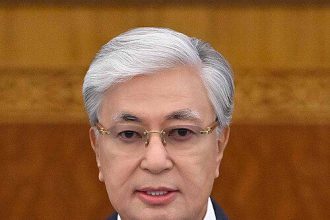
Kazakhstan’s 35 years of independence offer an opportunity to reflect not only on the country’s historical achievements but also on its ambitions for the future. In his annual address, President Kassym-Jomart Tokayev presented constitutional reform and institutional renewal as central elements of the country’s next phase of development.
One of the most significant aspects of Tokayev’s message is his emphasis on the constitution as a bond between generations. This perspective places constitutional development within a broader national vision, linking the country’s historical identity with its aspirations for political stability, modernization and sustainable growth.
The speech also highlights the importance of institutional reform in adapting governance to changing domestic and international conditions. Strong institutions, effective public administration and the rule of law are essential to building public confidence and ensuring that political reforms translate into tangible improvements in citizens’ lives.

Another positive element is the emphasis on national unity.
At a time of geopolitical uncertainty, economic pressures and rapid technological change, social cohesion can help countries strengthen their resilience and protect their national interests. For Kazakhstan, which has spent more than three decades consolidating its independence, maintaining stability while pursuing modernization remains a significant challenge.
The country’s experience also raises a broader question about the relationship between national sovereignty and development. Independence is not simply a historical achievement or a matter of political recognition. It also involves the capacity to build effective institutions, diversify the economy, expand opportunities and respond to the expectations of future generations.
However, the success of constitutional reform cannot be measured by announcements or institutional changes alone. Its lasting value will depend on implementation, the effectiveness of public institutions, respect for the rule of law and the extent to which citizens experience meaningful improvements in their daily lives.
Ultimately, Tokayev’s address underscores an important principle: independence is not the end of a national journey but an ongoing responsibility. Kazakhstan’s next chapter will depend on its ability to translate its historical achievements into inclusive development, institutional effectiveness and a more prosperous future for its people.
Read also
Arab Academy Launches International Educational Initiative in Digital Game Development