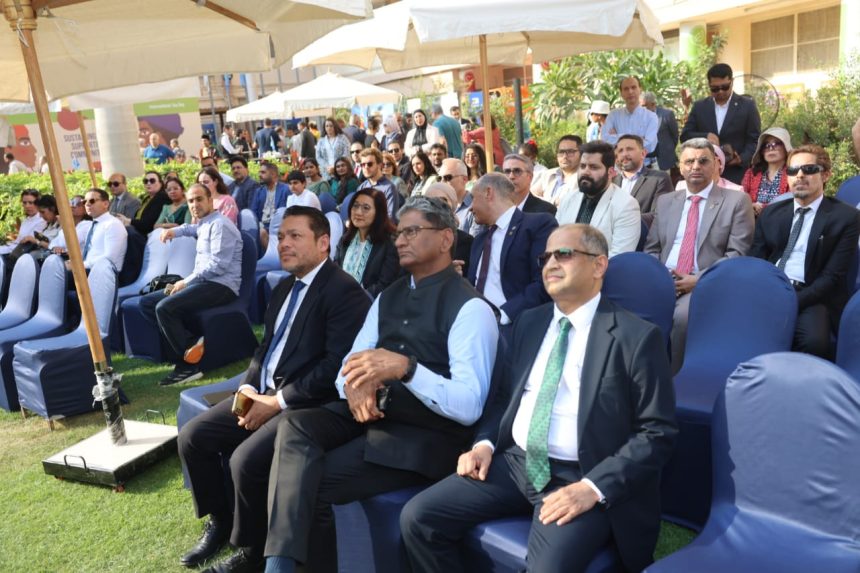
In a vibrant manifestation of cultural diplomacy and international cooperation, the Regional Headquarters of the Food and Agriculture Organization of the United Nations (FAO) in Cairo hosted a high-profile celebration marking International Tea Day, in close collaboration with the Embassy of Sri Lanka in Egypt. Held under the inspiring theme and official slogan, „Sustaining Tea, Supporting Communities,” the milestone event highlighted the critical intersection between environmental sustainability, rural development, and the socio-economic empowerment of agricultural societies worldwide.
The choice of the FAO regional headquarters as the venue served to amplify the core message of the theme, spotlighting the strategic importance of the tea crop to global food security, climate resilience, and sustainable agricultural livelihoods.
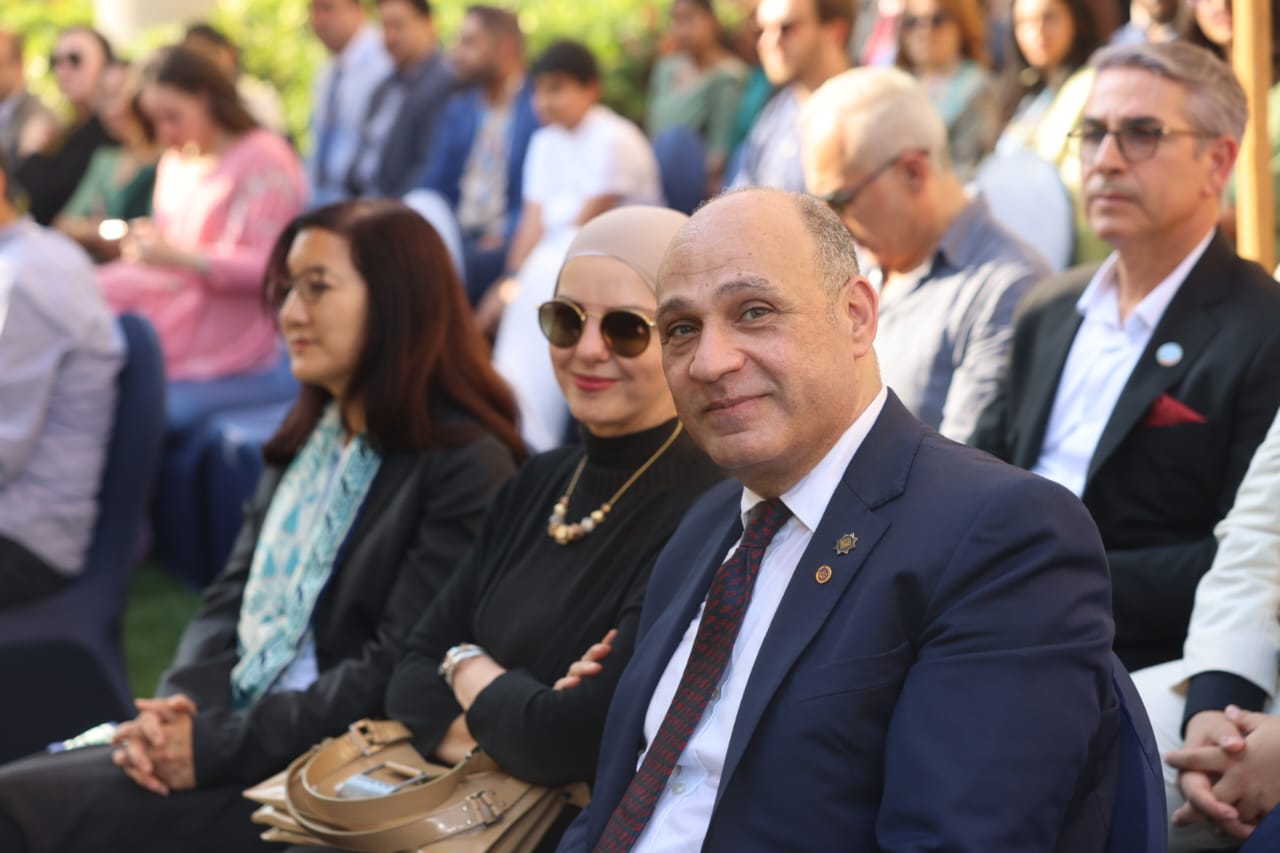
The landmark occasion was characterized by an elite diplomatic and international presence, spearheaded by Sisira Senavirathne, Ambassador of Sri Lanka to Egypt; Dato’ Mohd Tarid Sufian, Ambassador of Malaysia to Egypt; and Suresh K. Reddy, Ambassador of India to Egypt. The international organization sector was strongly represented by Mr. Abdulhakim Elwaer, FAO Assistant Director-General and Regional Representative for the Near East and North Africa; Ms. Chitose Noguchi, the Resident Representative of the United Nations Development Programme (UNDP) in Egypt; and Ms. Rawad Halabi, Representative and Country Director of the United Nations World Food Programme (WFP) in Egypt.
The gathering also drew a distinguished audience of senior officials from the Egyptian Ministry of Foreign Affairs, prominent figures from the Cairo diplomatic corps, and a notable contingent of leading media executives and journalists.

In his keynote address, Sisira Senavirathne, Ambassador of Sri Lanka to Egypt, expressed his profound gratitude to the FAO Regional Office in Cairo for providing this unprecedented opportunity to host the International Tea Day celebrations at their headquarters. He emphasized that tea is far more than just a beverage in a cup, representing a profound story of land, heritage, identity, and dedication. As one of the world’s most widely consumed beverages, it sustains the livelihoods of millions of people across producing regions and forms an integral, irreplaceable part of everyday life for billions of consumers around the globe. It is a crop deeply woven into human culture, aligning with the famous old saying that it is better to go without food for three to four days than to go without tea for a single day.
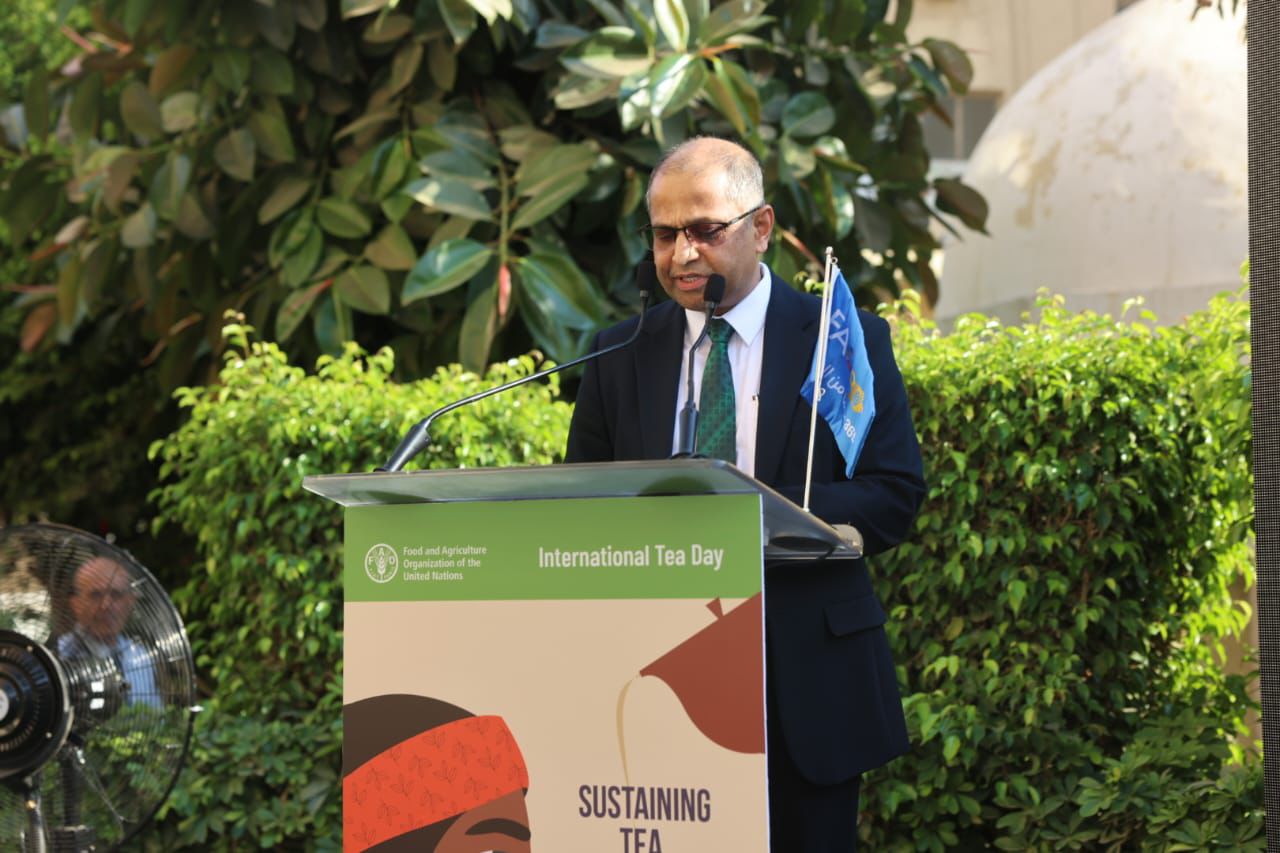
The Ambassador highlighted that Egypt holds a position of immense strategic importance as one of the top ten largest tea-importing countries in the world, and Ceylon tea proudly remains one of the most popular and trusted choices among Egyptians. He observed with great appreciation how deeply tea is embedded in Egyptian hospitality, noting its distinct local preparation methods—such as iconic Koshary tea, boiled with a generous amount of sugar and frequently infused with fresh mint leaves, and the beloved Chai bel Laban (tea with milk)—which showcase the vibrant tea culture practiced daily by Egyptian consumers.
The occasion carries a highly symbolic historical milestone this year, as Ceylon tea celebrates 150 years of agricultural excellence since its formal introduction to the island in 1867 by the renowned Scottish planter, James Taylor. Today, the tea industry remains a vital cornerstone of Sri Lanka’s national economy and is strictly aligned with the principles of sustainable development. It serves as one of the country’s most critical sources of employment, supporting millions of citizens and contributing significantly to foreign exchange earnings. Crucially, smallholder farmers form the absolute backbone of this industry, accounting for approximately 75% of the total tea production, through which Sri Lanka is globally recognized today as the world’s largest producer and exporter of orthodox black tea.
The sector has also made groundbreaking achievements in environmentally friendly agriculture, taking immense pride in the fact that Ceylon tea has received prestigious international recognition under the Montreal Protocol as the world’s very first ozone-friendly tea, thereby ensuring that global consumers actively support an industry that protects the planet’s biosphere.
In an era dominated by industrial automation, Sri Lanka is heavily promoting Ceylon artisanal tea, which represents the absolute pinnacle of quality, craftsmanship, and human heritage. It is handcrafted in small batches through a highly skilled, meticulous process guided entirely by the judgment, multi-generational experience, and sensory expertise of master tea artisans. This artisanal approach unyieldingly places quality above quantity, striving for perfection in flavor and aroma, ensuring that each batch remains entirely unique. The Ambassador concluded his remarks by invoking a timeless piece of wisdom, noting that there is no trouble so great or so serious that it cannot be greatly eased by a good cup of tea.
Following the opening remarks, Suresh K. Reddy, Ambassador of India to Egypt, stated in his speech that the choice of Cairo as the venue for this global observance was particularly fitting. He noted that in Egypt and across the North African region, tea reigns supreme as the primary national beverage, playfully observing that local consumers embrace the drink with a devotion that rivals water, making the Egyptian capital the ideal stage for such a celebration.
The Indian envoy expanded on the concept that every cup of tea conveys an intimate human story that cuts across civilizations, immense distances, and artificial geopolitical boundaries. Beyond connecting families and communities, he emphasized that every cup carries a profound message of economic resilience. In this context, Ambassador Reddy lauded the FAO for its critical, yeoman service in supporting and empowering millions of small-scale farmers worldwide. He highlighted the organization’s pivotal role in enabling agricultural communities to overcome severe contemporary challenges, ranging from the adverse impacts of climate change and pest control to mitigating soil salinity and enhancing crop productivity.
Underscoring India’s towering position in global food security, the Ambassador noted that India stands as a structural giant in international agriculture, consistently ranking within the top three producers globally for the vast majority of agricultural commodities. Moving forward, he stated that India’s large population ensures its role as a decisive player shaping global production and consumption patterns. On a national level, he highlighted New Delhi’s highly successful domestic initiative, „More Crop Per Drop,” championed personally by the Indian Prime Minister to maximize water efficiency as India, much like Egypt, navigates increasing water stress.
Ambassador Reddy asserted that while all teas possess unique merits, traditional Indian Masala Chai remains unparalleled in its ability to offer comfort, energy, and a celebration of life, whether starting the morning, overcoming mid-day fatigue, or enjoying an evening football match.
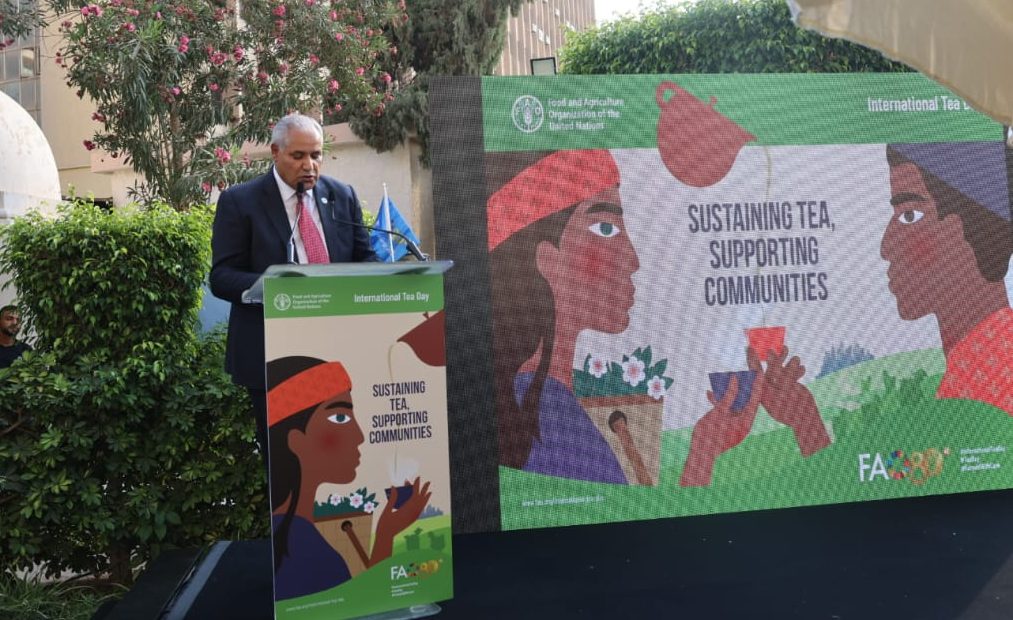
Taking the floor next, Dato’ Mohd Tarid Sufian, Ambassador of Malaysia to Egypt, noted that unlike coffee, tea possesses distinct cooling properties that make it a perfect, refreshing choice for any time of day. For Malaysians, he explained, tea is an indispensable component of daily life, enjoyed seamlessly from the first cup in the morning until the final moments before rest.
The Malaysian envoy traced the historical lineage of the leaf back more than 4,000 years to its ancient medicinal origins in China, highlighting how it has evolved over millennia into a universal symbol of friendship, shared wisdom, and hospitality where individuals historically gather to exchange ideas and harmoniously resolve personal or philosophical differences. While Malaysia may not match the massive production volume of global agricultural giants, the Ambassador emphasized that his nation has strategically positioned itself at the premium tier of the global market. Malaysian tea is cultivated primarily in pristine, high-altitude mountainous regions under rigorous environmental regulations designed to protect vulnerable forests, vital watersheds, and local biodiversity.
Furthermore, the Ambassador detailed how Malaysia is driving industry growth through agro-industrial innovation, introducing highly convenient, health-conscious pre-mixed tea products infused with unique regional flavors. Today, these high-quality Malaysian tea varieties are exported extensively across South Asia, China, Europe, and the Middle East, reflecting a rapidly growing international reputation for excellence.
The Ambassador asserted that no presentation of Malaysian tea heritage could be complete without honoring Teh Tarik, the nation’s celebrated signature beverage. He detailed the complex, acrobatic artistry required to prepare it, which involves repeatedly pouring the liquid between two vessels at arm’s length to create a rich, frothy texture, inviting guests to witness a live brewing demonstration at the Malaysian pavilion.
Dato’ Mohd Tarid Sufian utilized the platform to invite the attendees to experience his country’s warm hospitality firsthand through the ongoing „Visit Malaysia Year” tourism campaign, which has been officially extended through 2027. The Malaysian diplomat concluded his address by reminding the assembly that the act of sharing a cup of tea serves as a timely global reminder to slow down, reflect, strengthen international bonds, and foster cross-cultural understanding, elements that are deeply needed in the world today.
Beyond the diplomatic speeches, the celebration transformed the FAO headquarters into a lively crossroads of Asian heritage, utilizing the soft power of arts to bridge nations. The event featured a mesmerizing lineup of traditional folk dances uniquely choreographed by each participating nation. Dancers adorned in exquisite, authentic traditional costumes took the stage, captivating the audience and vividly portraying the deep-seated historical narratives surrounding the harvest and social significance of tea in their respective societies. Concurrently, a series of curated documentary videos were screened, offering attendees a cinematic journey through the breathtaking, terraced tea plantations of Sri Lanka, the rich regional tea histories of Malaysia, and the sprawling, iconic tea estates of India.
A major highlight of the day was an exhibition by tea experts from Sri Lanka, Malaysia, and India demonstrating their distinct national brewing traditions. Attendees had the unique opportunity to observe and taste the rich profiles of the diverse tea varieties from the three participating nations, reinforcing the global message of tea as an enduring symbol of hospitality, community resilience, and peace across the world.
Read also
Photo Exhibition “Mexico 2026: Where Football Beats” Opens at Cairo Metro’s Stadium Station