Amr Yehia – Atlas News Middle East
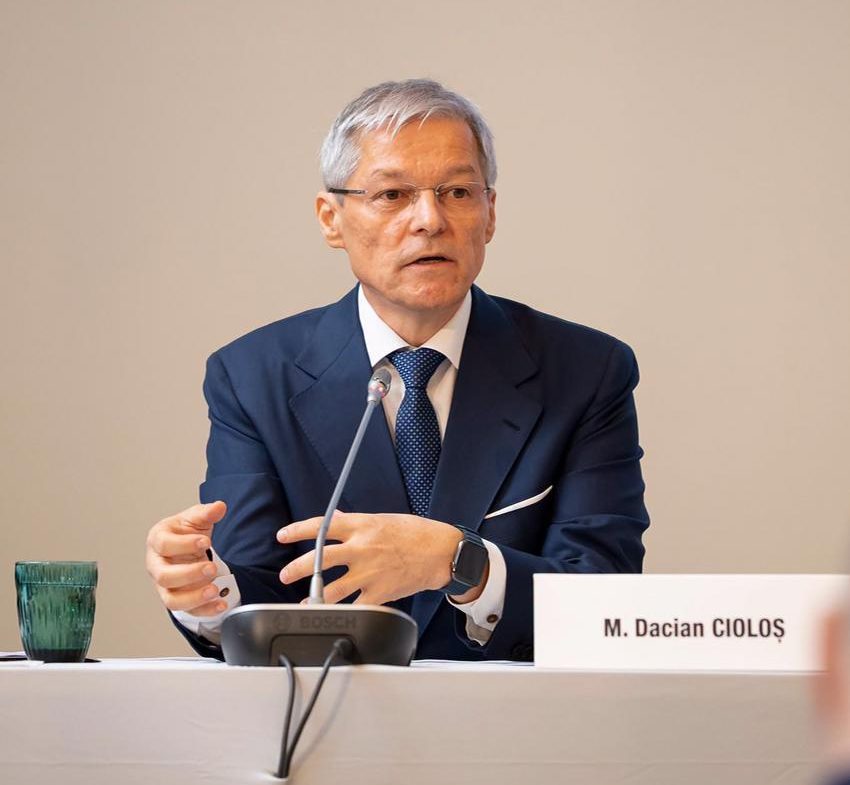
Moving far beyond its traditional roots as a linguistic and cultural alliance, the International Organization of La Francophonie (OIF) must aggressively reinvent itself as a powerhouse for global trade and digital innovation. That is the driving argument behind former Romanian Prime Minister Dacian Cioloş’s newly released campaign blueprint, „Manifesto: Vision Francophonie 2030.” Anticipating his high-stakes hearing before the Ministerial Conference, Cioloş outlined a pragmatic evolution for the 88-member bloc—proposing to weaponize the French language as a tool for youth entrepreneurship, trade networks, and artificial intelligence development in a rapidly changing global order.
Cioloş addresses the geopolitical reality of his bid head-on, noting that while he is not Francophone by heritage, his journey represents the modern spirit of the organization—one defined by education and deliberate choice. Highlighting Romania’s standing as the seventh-largest financial contributor to the OIF and its deep history of equal partnership with African nations, he frames his background as an asset for bridging fragmented global factions. The manifesto calls for a visionary multilateralism that actively reinforces the national sovereignty and strategic autonomy of its member states while simultaneously creating collective mechanisms to prevent regional crises and mediate emerging political tensions.
Under the proposed 2030 vision, Africa is positioned as the primary catalyst for the organization’s future growth and international visibility. To ensure a balanced partnership among equals, Cioloş pledged to explicitly champion the leadership of African women within the OIF’s executive structure, expressing his intention to govern alongside an African Administrator recognized for institutional excellence.

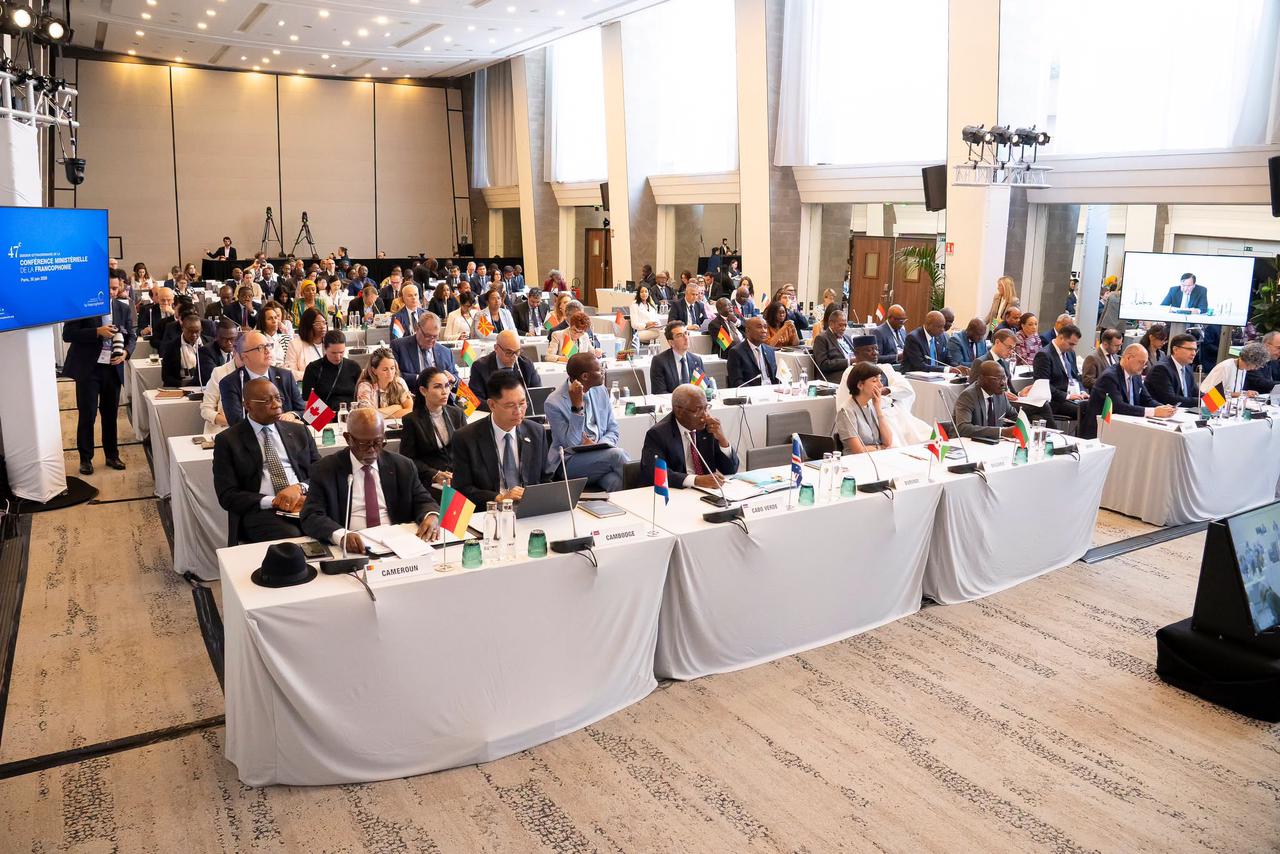
A central pillar of the manifesto is the urgent integration of an economic dimension to run parallel to the OIF’s long-standing cultural foundation. Rather than viewing French solely as a language of heritage, the strategy aims to turn it into a pragmatic tool for global business, youth entrepreneurship, and job creation. The blueprint outlines specific focus areas where La Francophonie intends to scale its institutional capacity and join major international debates, specifically prioritizing digital transformation, the ethics of Artificial Intelligence, food security, sustainable agricultural transition, climate adaptation, and women’s economic empowerment.
The manifesto highlights successful institutional frameworks that the candidate intends to replicate globally to boost the international discoverability of Francophone content. Notably, the document singles out Egypt’s Bibliotheca Alexandrina, alongside Canadian cultural initiatives, as premier global examples of successfully archiving, promoting, and sharing diverse Francophone heritage and modern digital media.
Rejecting a centralized or purely administrative leadership style, Cioloş concluded his pitch by invoking the philosophy of the legendary Romanian-French sculptor Constantin Brâncuși, noting that the primary challenge lies in putting the organization in a position to succeed. The 2030 vision demands an institutional scaling up, targeting deeper collaboration with global development banks, international financial institutions, and the private sector to ensure fiscal transparency, greater resource mobilization, and tangible, life-changing results for the bloc’s citizens.
Read also
Photo Exhibition “Mexico 2026: Where Football Beats” Opens at Cairo Metro’s Stadium Station