Amr Yehia
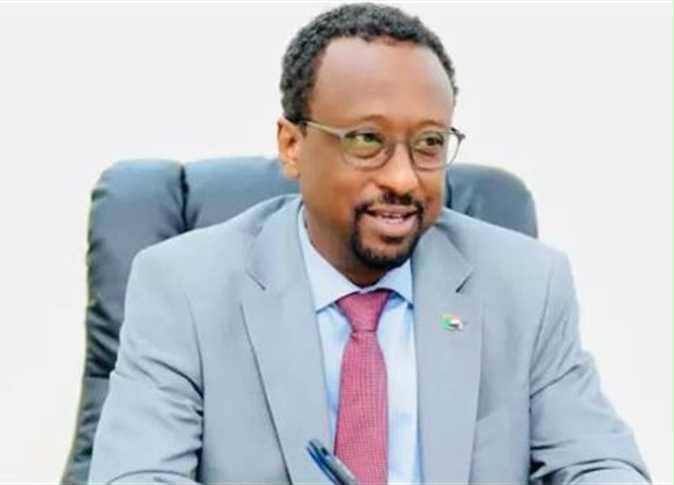
Sudan has called on the League of Arab States to adopt a unified position in support of its security, sovereignty and territorial integrity, warning that instability in the country poses wider risks to Arab regional security. Khalid Al-Aiser, Sudan’s Minister of Culture, Information, Antiquities and Tourism, delivered the appeal on November 4, 2026, during the 56th session of the Council of Arab Information Ministers in Cairo.
Speaking at the Arab League’s headquarters, Al-Aiser said the challenges confronting Sudan could not be treated as separate from those facing the wider Arab region. He urged Arab governments to move beyond expressions of solidarity and develop practical forms of cooperation to protect state institutions and support the Sudanese people.
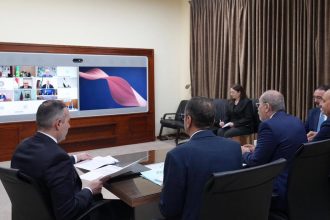
The meeting was held under Somalia’s presidency, according to the Saudi Press Agency’s account of the session.

Khartoum Seeks Stronger Arab Support
Al-Aiser called for a review of mechanisms for joint Arab action, arguing that the security and stability of Arab countries are shared responsibilities. He said Sudan sought durable partnerships based on respect for national sovereignty, territorial integrity and non-interference in domestic affairs.
In a separate account published by Sudan’s official news agency SUNA, the minister specifically accused the Rapid Support Forces of launching attacks from Ethiopian territory and urged Arab states to condemn outside financial, military or logistical support that could prolong Sudan’s war. These allegations were presented by Sudanese authorities and were not independently established by the agency report.
Al-Aiser also referred to the lasting consequences of Sudan’s previous conflicts and territorial division, arguing that the current crisis required Arab engagement commensurate with its scale. His remarks did not announce a new regional security mechanism or a specific commitment of assistance by the Arab League.
Media Cooperation and the Fight Against Disinformation
The minister also used the meeting to call for modernisation of Arab media institutions, describing information and communication platforms as increasingly influential in shaping public opinion and political attitudes.
He urged stronger cooperation between Arab media organisations, greater investment in professional capabilities and the responsible use of artificial intelligence and emerging technologies. Countering misinformation, fabricated reports and hate speech, he argued, should be central to a more effective regional media strategy.
Al-Aiser said Sudan would not permit its territory to serve as a base for media operations targeting the populations or institutions of other Arab states. He called for professional media practices that support regional cooperation rather than deepen political disagreements.
The Cairo session addressed wider regional media priorities and cooperation among Arab states. For Sudan, Al-Aiser’s intervention placed the country’s war and institutional stability firmly on the Arab diplomatic agenda, while leaving the question of any concrete collective response to further discussions.
Read also