Amr Yehia
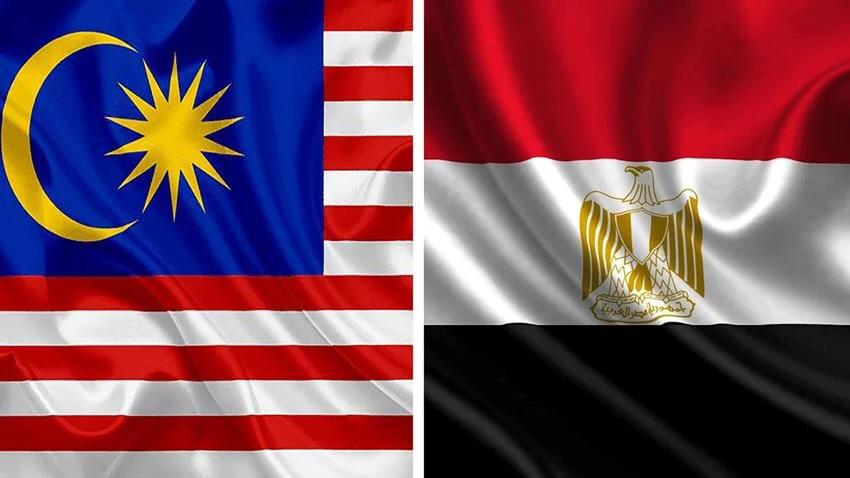
The upcoming visit by President Abdel Fattah El-Sisi to the Malaysian capital, Kuala Lumpur, holds exceptional significance within the landscape of Egyptian diplomatic activity. It serves as the culmination of a period marked by momentum and steadily growing ties between the two nations. The visit represents a pivotal milestone for launching broader horizons of bilateral and regional cooperation and for solidifying the framework of a comprehensive partnership between Cairo and Kuala Lumpur, reflecting a mutual commitment to elevating political and economic relations to deeper, more sustainable levels.
The visit takes place at a critical juncture on both regional and international fronts, underscoring the qualitative shift in these relations toward a comprehensive strategic partnership—a transformation reflected in the alignment of visions and positions regarding numerous pivotal issues of mutual interest. Recent years have witnessed a flurry of high-level reciprocal visits at both the presidential and prime ministerial levels. Notably, the recent visit by Malaysian Prime Minister Anwar Ibrahim to Cairo in November 2024—coinciding with the 65th anniversary of the establishment of diplomatic relations—marked a pivotal milestone that solidified the shared political will to strengthen institutional cooperation frameworks.
President Sisi’s visit to Kuala Lumpur reinforces this momentum of exchange, translating the political understandings reached by the leadership of both nations into concrete projects and initiatives. These efforts aim to serve the aspirations of both friendly peoples and elevate bilateral cooperation from a level of distinguished relations to new horizons of comprehensive integration.

Egypt Among the First Nations to Recognize Malaysia’s Independence
Diplomatic and political ties between Egypt and Malaysia are rooted in decades of mutual trust and respect; Egypt was among the first nations to recognize Malaysia’s independence and establish formal diplomatic relations based on cooperation and joint action.
In international forums—foremost among them the United Nations—Egypt and Malaysia coordinate closely to champion the causes of developing nations, uphold international peace and security, and advocate for the reform of international financial and administrative systems. The two countries share fundamental principles, including a commitment to the peaceful resolution of disputes, the rejection of power politics and bloc-based alignments, and mutual respect for state sovereignty and national independence.
High Malaysian Appreciation for Egypt’s Role in Halting the Aggression on Gaza and Rejecting Displacement and the Liquidation of the Palestinian Cause
The Palestinian cause stands as a key area of coordination between Cairo and Kuala Lumpur and lies at the heart of their bilateral relations. Malaysia has highly commended the tireless and pivotal efforts undertaken by Egypt—under the leadership of President Sisi—to halt the aggression against the Gaza Strip, secure a truce, protect the fundamental rights of the Palestinian people, and reject both the displacement of Palestinians and the liquidation of the Palestinian cause. The Malaysian leadership has declared its full support for the Egyptian stance, which has firmly blocked any schemes aimed at liquidating the Palestinian cause by displacing the people of Gaza from their lands—a move Egypt has deemed a „red line” that cannot be crossed. As a practical extension of this coordination, Malaysia established continuous aid corridors—delivering humanitarian, food, and medical supplies to the people of Gaza via the Rafah land crossing—in direct cooperation and coordination with the Egyptian Red Crescent and relevant authorities in Cairo, reflecting a humanitarian solidarity that embodies the deep bonds between the two peoples. The political partnership between Egypt and Malaysia also gains added significance under the umbrella of the Organization of Islamic Cooperation (OIC), as both nations are key influential powers within the Islamic world. Bilateral cooperation within the organization focuses on promoting the true image of Islam as a religion of tolerance and peace, while countering negative phenomena such as Islamophobia and extremist rhetoric. The two countries coordinate continuously to unify the Islamic stance on regional and international crises and to activate mechanisms for economic and development cooperation among member states, in addition to coordinating efforts to enhance the performance and output of the organization’s affiliated bodies.
Al-Azhar a Solid Pillar in the Structure of Historic Relations
Al-Azhar Al-Sharif serves as the strongest pillar in the enduring historical relationship between Egypt and Malaysia, acting as a cornerstone of the soft diplomacy that fosters closer ties—both at the grassroots and official levels—between Cairo and Kuala Lumpur. This exceptional status is evident in the fact that Al-Azhar University and its affiliated institutes host thousands of Malaysian students annually; these students return home to assume high-ranking leadership, religious, and academic positions. Reciprocally, Al-Azhar is committed to dispatching its scholars and Quranic reciters to Malaysia to disseminate Islamic knowledge. The sanctity of these bonds has made a visit to Al-Azhar—and a meeting with the Grand Imam—a standard, essential stop on the itineraries of successive Malaysian prime ministers and leaders visiting Cairo, reflecting their deep appreciation for Egypt’s intellectual and cultural role. Regarding the preservation of the core tenets of the faith, Al-Azhar Al-Sharif serves as the primary Islamic authority upon which Malaysia relies to embed an approach of moderation and balance, and to showcase the tolerant face of Islam—one rooted in peaceful coexistence and respect for cultural diversity. Al-Azhar’s intellectual curricula, alongside training programs offered by the „Al-Azhar International Academy for Training Imams and Preachers,” play a vital role in safeguarding Malaysian youth and religious cadres against ideologies of extremism, radicalism, and imported doctrines, while equipping them to address contemporary issues.
On the economic front, trade and investment relations between the two nations are witnessing a significant surge, driven by shared aspirations to double trade volume and access new markets. Malaysia stands as a key economic partner for Egypt within the Southeast Asian region (ASEAN), while Egypt serves as Malaysia’s principal gateway to Arab and African markets; indicators of trade exchange reflect this growth significant activity regarding strategic commodities and industrial and agricultural products; the two countries possess the potential to foster joint ventures in renewable energy, food processing, technology, and the exploration, importation, and refining of palm oil. Furthermore, there is interest in exploring investment opportunities within the Suez Canal Economic Zone, which attracts significant attention from the Malaysian business community.
Bilateral relations rely on institutional frameworks to operationalize political and economic understandings—foremost among them the Egyptian-Malaysian Joint Commission, as well as periodic political consultations and the Trade and Investment Subcommittee. These serve as the primary governmental mechanisms for monitoring shared issues, overcoming obstacles to trade and investment, and exploring new avenues for cooperation in vital sectors such as the digital economy, renewable energy, and semiconductors, alongside enhancing coordination on security and defense matters.
Regarding the private sector and investment cooperation, the „Egyptian-Malaysian Joint Business Council” plays a pivotal role as a bridge connecting leading businesspeople and companies in both nations. Working in tandem with government bodies, the Council seeks to leverage the competitive advantages of both countries—specifically Egypt’s position as a regional hub for accessing African and Arab markets and Malaysia’s status as a gateway to ASEAN markets—thereby transforming investment opportunities into tangible projects that advance the comprehensive development goals of both parties.
Cultural relations between Egypt and Malaysia possess a deep, heartfelt dimension; Al-Azhar Al-Sharif stands as a central pillar of this relationship; cooperation also extends to the realms of heritage, cultural and knowledge exchange, translation, and active participation in cultural exhibitions in both countries.
Regarding tourism, the flow of Malaysian tourists to Egypt’s tourist and archaeological sites is steadily increasing, alongside growing interest among Egyptians in visiting Malaysia as a unique destination. Intensive consultations and concerted efforts are currently underway between the civil aviation authorities of both nations to launch direct flights between Cairo and Kuala Lumpur—a development that, once implemented, will positively impact the facilitation of tourism and business travel, while deepening people-to-people and cultural ties.
President Abdel Fattah El-Sisi’s visit to Malaysia marks a new chapter in the history of Egyptian-Malaysian relations, lays the foundation for a new phase of strategic integration, and reinforces stability at both regional and international levels.
Read also
Tourism Malaysia eyes direct Kuala Lumpur–Cairo flights as Egypt leads Middle East arrivals