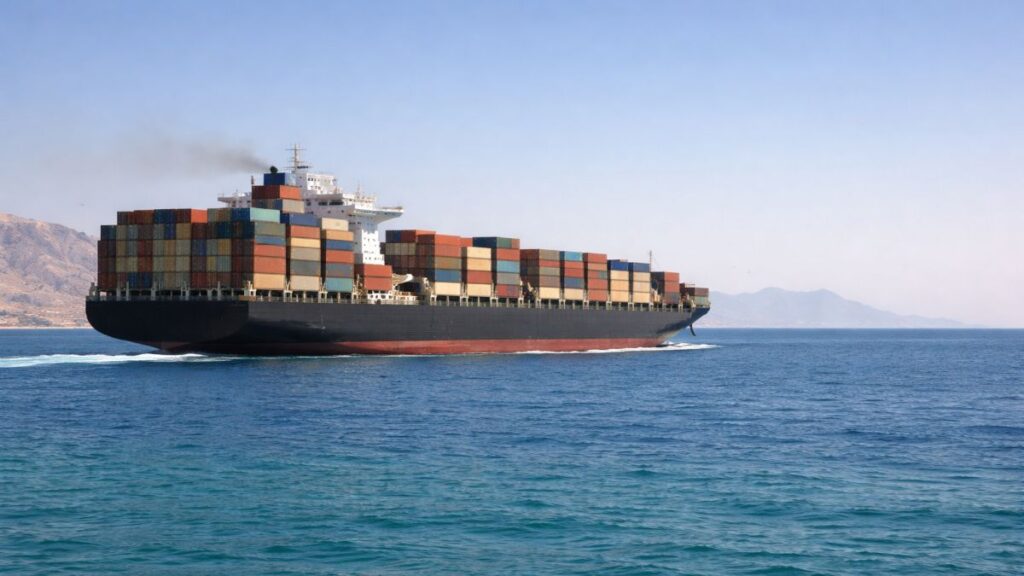
The partial closure of the Strait of Hormuz, China’s negotiations with the Houthi movement, the widening of the high-risk zone by London insurers, and ADNOC’s acquisition of tankers together outline a change of system in the maritime economy. Freedom of navigation is ceasing to be a global public good and is becoming a negotiated advantage, in which every vessel acquires a political dossier and every cargo a geopolitical passport. The analysis explains the emergence of the geopolitical tariff, of bilateral commercial immunity, and of corridors of trust, setting out the consequences for Europe and for Romania.

0 comentarii