Egypt is an indomitable nation and an unbreakable state, thanks to its strong army and its cohesive people, deeply attached to their homeland. The Egyptian project is not a project of a transient authority, but rather a project of a state striving to elevate its economy and fulfill its historical role regionally and within the Arab world. It is certain that Egypt is not a transient state in the course of history, but a deeply rooted nation that has faced immense challenges over centuries, yet has not been broken, no matter how intense the pressures.
Under the leadership of President Abdel Fattah al-Sisi and his government, Egypt has successfully navigated one of the most difficult periods in the history of the modern state. The comprehensive renaissance it is witnessing today reflects the will of a nation that has chosen the path of development amidst highly complex regional and international turmoil.
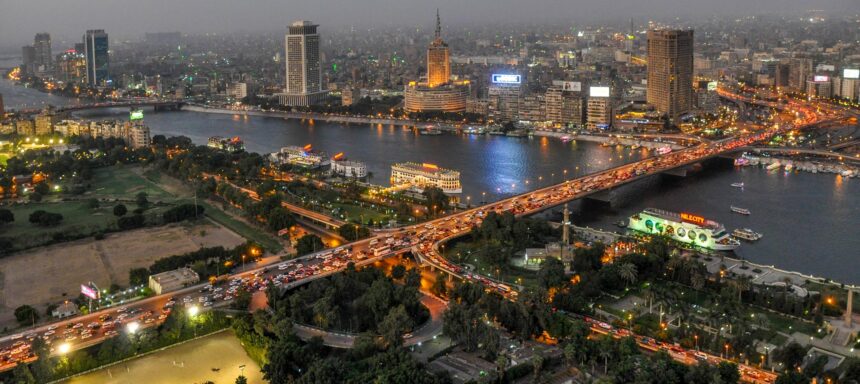
The Egyptian experience in recent years represents a clear model of this developmental endeavor. The political leadership adopted a comprehensive national project based on the firm conviction that national security is inseparable from economic and social development. The extensive infrastructure development, encompassing modern road networks, massive bridges, railways, transportation, energy, and housing projects, was considered a strategic tool, not merely construction work. These projects contributed to reconnecting geography with the economy, creating an attractive investment environment, and achieving sustainable economic growth. This, in turn, generated numerous job opportunities across all sectors, improved individual income levels, and enhanced the efficiency of public services.
At the international and regional levels, Egypt maintained its position as a cornerstone of Arab stability, serving as the backbone of regional security equations. Furthermore, it hosted those displaced by wars and conflicts, despite the additional burdens this placed on the national economy.

It cannot be denied that the Egyptian economy went through a critical phase, particularly with the launch of major national projects, most notably the New Administrative Capital, which required massive investments that temporarily impacted macroeconomic indicators. The state has successfully transitioned from a fragile economy to an institutional economy based on long-term planning. Today, the leadership is working to readjust fiscal and monetary policies and boost production, reflecting a deep understanding of the nature and complexities of this stage.
I emphasize here that the Egyptian project is not a project of a transient authority, but rather a national project striving to elevate the economy and fulfill its historical role regionally and within the Arab world. Egypt will remain the land of the Nile, the broadest Arab embrace, and a safe haven for all those afflicted by wars and conflicts, fulfilling its national and humanitarian duty without pretense, despite the burdens and challenges.
Dr. Abdul-Ilah Abdul-Wase’ Al-Khader
PhD in Political Science, Yemeni Political Analyst specializing in Arab Affairs

Read also Salih Mutlu Şen, the Diplomat Who Has Navigated the Middle East’s Most Sensitive Fault Lines